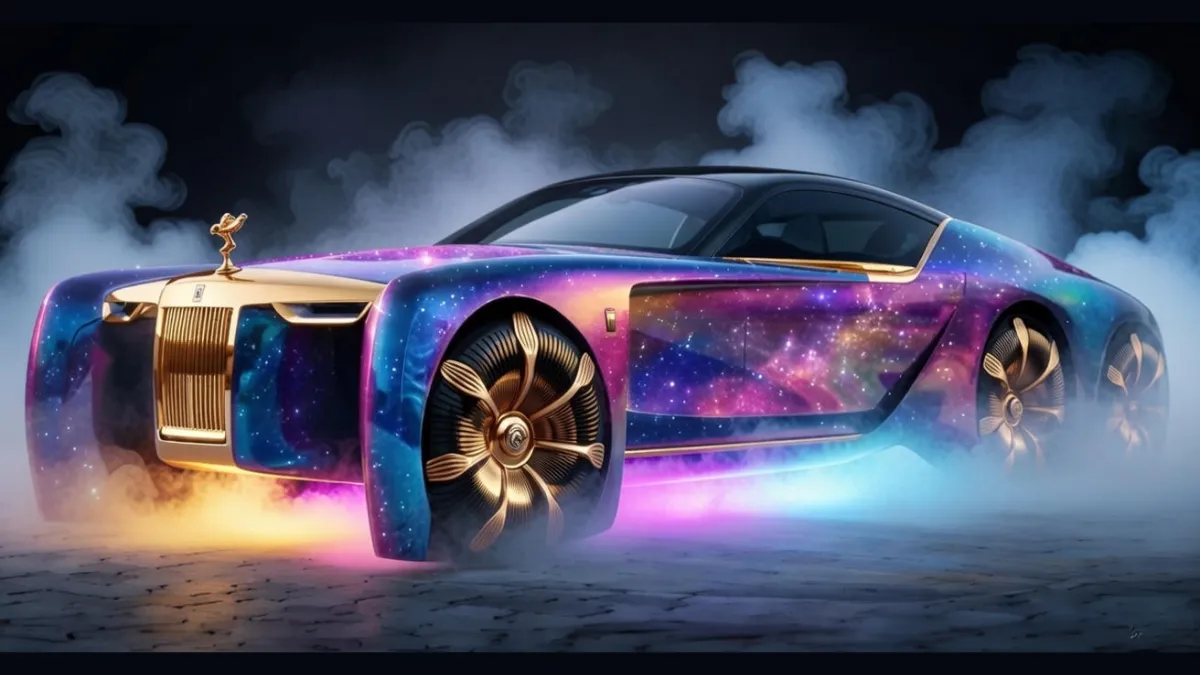
Rolls-Royce concept cars are offering a rare and fascinating glimpse into the future of ultra luxury mobility. These visionary creations are not just design exercises. They represent the brand’s long term philosophy around craftsmanship, electrification, sustainability, and intelligent comfort. From dramatic proportions to serene interiors, Rolls-Royce concept vehicles showcase how luxury engineering is evolving for a new era.
A Bold Design Language That Signals the Future
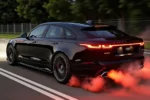
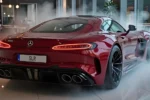
Rolls-Royce concept cars move beyond traditional automotive design rules. The proportions are longer, cleaner, and more architectural, emphasizing presence rather than aggression. Smooth surfaces, illuminated grilles, and minimalist detailing create a sense of calm authority. Every curve is intentional, reflecting the brand’s belief that true luxury is understated and timeless.
Interior Spaces Inspired by Modern Art and Architecture
Inside these concepts, the cabin feels more like a private gallery than a car interior. Rolls-Royce designers focus on space, light, and materials rather than buttons and screens. Handcrafted elements, natural textures, and bespoke finishes dominate the experience. Seating layouts are often lounge inspired, prioritizing relaxation and conversation over traditional driving focus.
Next Generation Luxury Features Previewed
Rolls-Royce concept cars introduce technologies and comforts that hint at what future production models may offer.
• Fully electric powertrain architecture
• Seamless digital interfaces integrated into materials
• Personalized ambient lighting environments
• Advanced sound insulation for near silent travel
• Sustainable luxury materials with bespoke finishes
Engineering Philosophy Focused on Effortless Motion
Rather than chasing speed or performance numbers, Rolls-Royce engineering centers on effortlessness. Concept vehicles highlight smooth power delivery, vibration free travel, and silent operation. Electrification plays a key role in this philosophy, allowing the brand to deliver instant torque while maintaining its signature quiet and composed ride quality.
Autonomous Ready Design Thinking
Many Rolls-Royce concepts are designed with a future where autonomous driving plays a larger role. Steering wheels and controls become less dominant, while seating and cabin layouts prioritize comfort and flexibility. This approach reflects a shift from driver focused performance to passenger focused experience.
Rolls-Royce Concept Car Focus Areas
| Area | Direction |
|---|---|
| Design | Minimalist, architectural, timeless |
| Powertrain | Fully electric and zero emission |
| Interior | Lounge inspired luxury spaces |
| Materials | Sustainable and handcrafted |
| Technology | Invisible, intuitive integration |
| Comfort | Silence, smoothness, serenity |
| Purpose | Experience over performance |
What These Concepts Mean for Future Rolls-Royce Models
While concept cars are not production ready, they strongly influence future Rolls-Royce vehicles. Design cues, material choices, and technology ideas gradually make their way into showroom models. These concepts confirm the brand’s commitment to electrification, personalization, and redefining what luxury means in a rapidly changing world.
Who Rolls-Royce Is Designing the Future For
The next era of Rolls-Royce is aimed at clients who value privacy, calm, and individuality. These are buyers who see luxury as a personal sanctuary rather than a status symbol. The concepts reflect a future where ownership is about experience, emotion, and craftsmanship rather than traditional automotive metrics.
Conclusion:
Rolls-Royce concept cars reveal a future where luxury engineering becomes quieter, cleaner, and more personal than ever before. By blending electrification, bespoke craftsmanship, and serene design, the brand is shaping a new definition of ultra luxury mobility. These visionary concepts are not just about cars, they are about how luxury will feel in the years ahead.
Disclaimer: This article is based on concept level designs and brand direction. Features, technologies, and designs may evolve or differ in future production models.